


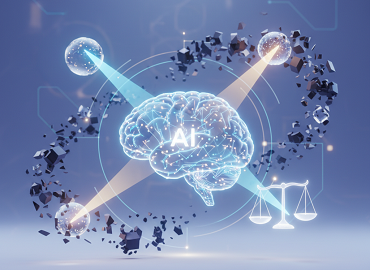
The Unbiased Mentor: How Learning to Debug AI Bias is Your New Upskilling Superpower
by SherlinKumar C
The Unbiased Mentor: How Learning to Debug AI Bias is Your New Upskilling Superpower
In a world increasingly shaped by artificial intelligence, the promise of unbiased, objective systems is often held up as a north star. Yet, reality often presents a more complex picture. AI models, trained on vast datasets reflecting human history and societal structures, invariably absorb and amplify existing biases. From skewed hiring algorithms to discriminatory loan approvals, the impact of AI bias is profound and far-reaching.
But what if addressing this challenge wasn’t just a regulatory necessity, but a crucial career differentiator? What if becoming proficient in identifying and mitigating AI bias was your next, most powerful upskilling superpower?
The Silent Saboteur: Why AI Bias Matters More Than Ever
AI bias isn’t a glitch; it’s a systemic challenge. It can manifest in various forms:
Algorithmic Bias: Flaws in the algorithm’s design or assumptions
Data Bias: Insufficient, unrepresentative, or historically biased training data.
Interaction Bias: How users interact with and influence the model, creating feedback loops.
The consequences are not merely abstract. They lead to real-world harm, erode trust, and can severely impact a company’s reputation and bottom line. Regulators are taking notice, and ethical AI is rapidly moving from a niche concern to a mainstream requirement.
From Problem to Power: Debugging Bias as a Core Skill
Historically, “debugging” referred to finding errors in code. Now, the concept expands to encompass the meticulous process of uncovering and rectifying systemic inequities embedded within AI. This isn’t just a task for specialized AI ethicists; it’s a vital skill for anyone working at the intersection of technology and society.
Get SherlinKumarC’s stories in your inbox
Consider these roles and how debugging AI bias becomes indispensable:
Data Scientists & ML Engineers:
You are on the front lines, building and deploying these models. Understanding how to rigorously test for bias, implement fairness metrics, and interpret model explainability tools is paramount.
Product Managers: You define the features and user experiences. Ensuring your AI-powered products are equitable and trustworthy is a core responsibility that directly impacts adoption and success.
Business Analysts & Strategists: You leverage AI insights for critical decisions. The ability to critically evaluate the fairness of these insights can prevent costly mistakes and drive ethical innovation.
Compliance Officers & Legal Professionals: As AI regulations evolve, understanding how to audit models for compliance and ethical standards will be a game-changer.
UX Designers: Crafting interfaces that prompt diverse data input and provide transparency around AI decisions can significantly reduce bias.
Your Upskilling Journey: Becoming an Unbiased Mentor
So, how do you cultivate this superpower?
Deep Dive into Fairness Metrics:
Familiarize yourself with statistical fairness definitions (e.g., demographic parity, equalized odds) and how to apply them.
Master Explainable AI (XAI) Tools .Tools like SHAP, LIME, and feature importance can help you understand an AI makes certain decisions, uncovering hidden biases.
Understand Data Provenance and Collection:
Bias often starts at the source. Learn to critically evaluate training datasets for representation, historical inequities, and collection methodologies.
Embrace Human-in-the-Loop Approaches:
Recognize when human oversight and intervention are necessary to mitigate automated bias.
Cultivate an Ethical Mindset:
This is more than technical skill; it’s about developing a critical lens to anticipate and address the societal impact of AI.
Stay Current with Regulations:
Keep abreast of emerging AI ethics guidelines and legal frameworks (e.g., EU AI Act, NIST AI Risk Management Framework).
Developing these skills transforms you from a passive observer of AI’s ethical dilemmas into an active participant in shaping a fairer digital future. You become a crucial “unbiased mentor” to the AI itself, guiding it away from discriminatory outcomes.
The Future is Fair: Seize Your Superpower
The demand for professionals who can effectively debug AI bias is only going to grow. Organizations are recognizing that ethical AI isn’t just a “nice-to-have” but a fundamental pillar of responsible innovation and sustainable growth.
By acquiring this expertise, you’re not just adding a line to your resume; you’re becoming an invaluable asset, equipped to build AI systems that truly serve humanity, rather than perpetuating its flaws. You’re not just debugging code; you’re debugging society, one algorithm at a time.
Embrace this challenge. Cultivate your “unbiased mentor” superpower. The future of AI, and indeed our society, depends on it.
https://medium.com/@sherlinkumar.2211053/the-unbiased-mentor-how-learning-to-debug-ai-bias-is-your-new-upskilling-superpower-fffe08398a35a>
